In today’s fast-evolving tech landscape, private 5G and edge computing are becoming vital tools for businesses. These technologies not only enhance connectivity but also empower companies to innovate and respond quickly to market changes. By understanding how to leverage these tools, organizations can unlock new opportunities and improve their operations significantly.
Key Takeaways
- Private 5G networks provide faster and more reliable connections tailored for specific business needs.
- Edge computing allows for processing data closer to its source, resulting in quicker insights and actions.
- Combining private 5G and edge computing can improve user experiences by reducing delays and increasing efficiency.
- These technologies support various industries, including healthcare and manufacturing, by enabling automation and real-time monitoring.
- Implementing private 5G and edge computing can help businesses stay competitive in a rapidly changing digital world.
Leveraging Private 5G and Edge Computing for Competitive Advantage
In today’s fast-paced business world, companies are always looking for ways to gain an edge over their competitors. Private 5G networks and edge computing are powerful tools that can help businesses achieve this. By combining these technologies, organizations can enhance their operations and improve customer satisfaction.
Enhancing User Experience
- Faster Connections: Private 5G networks provide faster and more reliable connections, which means users can access services without delays.
- Real-Time Feedback: With edge computing, data is processed closer to where it is generated, allowing for immediate responses to user actions.
- Personalized Services: Businesses can analyze user data in real-time to offer tailored experiences, increasing customer loyalty.
Driving Innovation
- New Applications: The combination of private 5G and edge computing enables the development of innovative applications that were not possible before.
- Automation: Businesses can automate processes, reducing human error and increasing efficiency.
- Data-Driven Decisions: Companies can make informed decisions quickly by analyzing data on the spot, leading to better outcomes.
Meeting Market Demands
- Scalability: Private 5G networks can be easily scaled to meet growing business needs, ensuring that companies can adapt to changes in the market.
- Cost Efficiency: By optimizing operations with edge computing, businesses can reduce costs and improve their bottom line.
- Competitive Edge: Companies that leverage these technologies can respond faster to market changes, giving them a significant advantage over competitors.
The integration of private 5G and edge computing allows businesses to create intelligent workflows that adapt over time, driving higher efficiency and reducing costs.
In summary, leveraging private 5G and edge computing can significantly enhance a company’s competitive advantage by improving user experience, driving innovation, and meeting market demands effectively.
Highlights
- Private 5G networks offer significant benefits in terms of coverage, capacity, and reliability. Implemented alongside existing technologies such as Wi-Fi, they can transform business operations.
Key Benefits of Integrating Private 5G and Edge Computing
Integrating private 5G with edge computing brings numerous advantages that can significantly enhance business operations. Here are some key benefits:
Lower Latency
- Faster Response Times: With edge computing, data is processed closer to where it is generated, leading to quicker response times.
- Improved User Experience: Users experience less lag, making applications more efficient and enjoyable.
- Real-Time Decision Making: Businesses can make decisions based on real-time data, improving overall agility.
Greater Bandwidth
- Increased Capacity: Private 5G networks provide higher bandwidth, allowing more devices to connect simultaneously without slowing down.
- Support for IoT Devices: This is crucial for industries relying on numerous connected devices, such as manufacturing and logistics.
- Enhanced Data Transfer: Faster data transfer rates enable quicker updates and communications across the network.
Real-Time Data Processing
- Immediate Insights: Edge computing allows for immediate data analysis, which is essential for timely decision-making.
- Optimized Operations: Businesses can optimize their operations by analyzing data on-site, reducing the need for data to travel to centralized servers.
- Increased Efficiency: This leads to improved efficiency and productivity, as processes can be adjusted in real-time based on data insights.
The combination of private 5G and edge computing is transforming how businesses operate, enabling them to meet the demands of a connected world. By leveraging these technologies, companies can enhance their performance and gain a competitive edge in the market.
Overall, the integration of private 5G and edge computing is a game-changer for businesses looking to innovate and stay ahead in a rapidly evolving landscape. Edge computing increases performance and data sovereignty, making it essential to meeting the networking and computing demands of a connected 5G world.
Industry Use Cases for Private 5G and Edge Computing
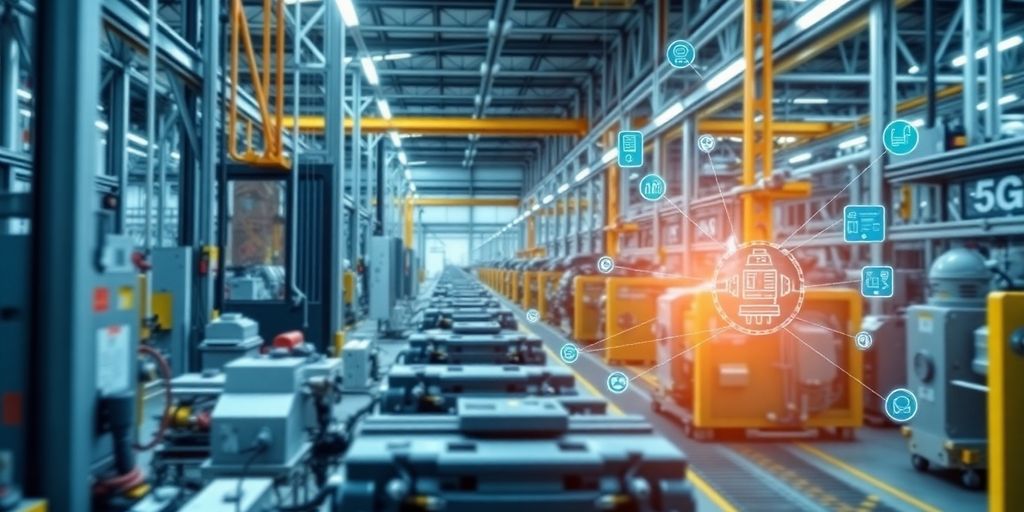
Private 5G and edge computing are changing how businesses operate across various sectors. These technologies enable faster and more efficient processes. Here are some key areas where they are making a significant impact:
Augmented Reality and Virtual Reality
- Low Latency: With edge computing, AR and VR applications can run with minimal delay, enhancing user experience.
- Increased Adoption: The seamless experience encourages more users to engage with AR and VR technologies.
- Real-Time Interaction: Users can interact with virtual environments without frustrating lag.
Manufacturing Automation
- Quality Control: Automated systems can monitor production lines in real-time, ensuring high standards.
- Data-Driven Decisions: Immediate access to data allows for quick adjustments in manufacturing processes.
- Resource Optimization: Businesses can allocate resources more effectively based on real-time insights.
Healthcare Innovations
- Remote Monitoring: Patients can be monitored in real-time, improving care and response times.
- Data Security: Private 5G networks ensure that sensitive health data is transmitted securely.
- Enhanced Collaboration: Healthcare professionals can share information instantly, leading to better patient outcomes.
The integration of private 5G and edge computing is not just a trend; it’s a necessity for businesses aiming to stay competitive in a rapidly evolving market.
These use cases illustrate how private 5G networks can transform industries by providing tailored solutions that meet specific needs. As businesses continue to explore these technologies, the potential for innovation and efficiency will only grow.
Overcoming Challenges in Implementing Private 5G and Edge Computing
Implementing private 5G and edge computing can be a game-changer for businesses, but it comes with its own set of challenges. Addressing these issues is crucial for a successful transition.
Integration Complexities
- Compatibility Issues: New technologies must work well with existing systems. This often requires careful planning and possible upgrades to older systems.
- Security Concerns: Protecting data and devices is essential. Strong security measures are needed to prevent breaches and ensure data safety.
- Cost Considerations: Balancing initial costs with long-term benefits can be tricky. Understanding the total cost of ownership (TCO) and potential return on investment (ROI) is important for making smart choices.
Security Concerns
- Data Breaches: With data stored in many places, monitoring becomes harder, increasing the risk of breaches.
- Governance Issues: Ensuring data management standards are met across various locations can be challenging.
- Complexity of Management: As data grows, managing it becomes more complicated, especially with edge computing.
Skill Gaps
- Training Needs: Employees may need training to handle new technologies effectively.
- Recruitment Challenges: Finding skilled workers who understand both private 5G and edge computing can be difficult.
- Continuous Learning: Keeping up with rapid technological changes requires ongoing education and adaptation.
By addressing these challenges, businesses can unlock the full potential of private 5G and edge computing, leading to improved efficiency and competitiveness in the market.
Transforming Warehousing with Private 5G and Edge Computing
Real-Time Inventory Management
In modern warehousing, real-time inventory management is crucial. With the help of edge computing, businesses can monitor stock levels instantly. This means if an item is misplaced or stock drops below a certain level, alerts can be sent out immediately. This quick response helps keep inventory levels optimal and meets customer needs effectively.
Automated Quality Control
Private 5G networks enhance automated quality control in warehouses. These networks allow devices to communicate without delays, ensuring that quality checks are performed efficiently. For example, automated guided vehicles (AGVs) can work together seamlessly, avoiding collisions and optimizing their routes in real-time. This leads to better productivity and fewer mistakes.
Optimized Logistics
The integration of private 5G and edge computing leads to optimized logistics. By processing data locally, warehouses can make faster decisions. This means that deliveries can be scheduled more efficiently, reducing wait times and improving overall service. Here are some key benefits of this integration:
- Faster data processing
- Improved communication between devices
- Enhanced decision-making capabilities
The combination of private 5G and edge computing creates a responsive and resilient warehouse environment, adapting to challenges in real-time.
By leveraging these technologies, warehouses can transform their operations, ensuring they stay competitive in a rapidly changing market.
The Role of Private 5G in Smart Manufacturing
Private 5G is a game changer for the manufacturing industry, providing enhanced connectivity that meets the specific needs of smart manufacturing. This technology allows for better communication between devices, which is crucial for modern factories. Here are some key aspects of how private 5G impacts smart manufacturing:
Enhanced Connectivity
- Faster Communication: Private 5G networks enable devices to communicate at high speeds, reducing delays in data transfer.
- Increased Device Capacity: Factories can connect more devices without losing performance, which is essential as automation grows.
- Reliable Coverage: With dedicated frequencies, private 5G ensures that all areas of a factory have strong network signals.
AI and Machine Learning Integration
- Data-Driven Decisions: By using AI, manufacturers can analyze data in real-time, leading to better decision-making.
- Predictive Maintenance: Machine learning can predict when equipment will fail, allowing for timely repairs and reducing downtime.
- Smart Automation: AI can optimize production processes, making them more efficient and cost-effective.
Operational Efficiency
- Streamlined Processes: Private 5G helps in automating tasks, which speeds up production and reduces human error.
- Real-Time Monitoring: Manufacturers can monitor operations continuously, ensuring everything runs smoothly.
- Cost Savings: By improving efficiency, companies can save money on labor and materials.
Private 5G enables smart manufacturing by providing the necessary infrastructure for advanced technologies, ensuring that factories can operate at peak performance.
In summary, private 5G is essential for the future of smart manufacturing, offering enhanced connectivity, AI integration, and improved operational efficiency. As manufacturers adopt this technology, they will unlock new levels of productivity and innovation.
Future Trends in Private 5G and Edge Computing
Expansion of Data Centers
The growth of private 5G and edge computing is leading to a significant increase in the number of data centers. These centers are becoming more localized, allowing businesses to process data closer to where it is generated. This shift helps in reducing latency and improving response times for applications.
Hybrid and Multicloud Strategies
Businesses are increasingly adopting hybrid and multicloud strategies. This means they are using a mix of private and public clouds to optimize their operations. By combining these approaches, companies can enhance flexibility, improve data management, and ensure better security for sensitive information.
Smart Cities Development
The integration of private 5G and edge computing is crucial for the development of smart cities. These technologies enable real-time data collection and analysis, which can improve urban planning, traffic management, and public safety. As cities become smarter, the demand for these technologies will continue to grow.
The combination of 5G and edge computing is set to revolutionize the IT landscape, addressing critical challenges modern business enterprises face.
In summary, the future of private 5G and edge computing is bright, with trends pointing towards more localized data centers, hybrid cloud solutions, and the rise of smart cities. These advancements will unlock new opportunities for businesses to innovate and stay competitive in a rapidly changing digital world.
Practical Steps for Implementing Private 5G and Edge Computing
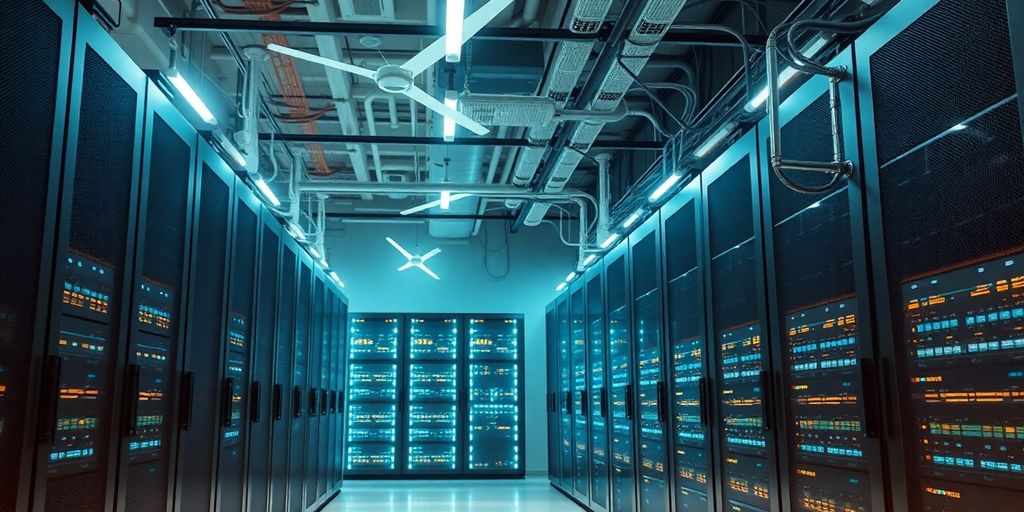
Assessing Business Needs
To start, understand your specific requirements for integrating private 5G and edge computing. This includes:
- Analyzing current workflows to identify pain points.
- Determining latency tolerance and scalability needs.
- Recognizing where these technologies can add the most value.
Choosing the Right Technologies
Next, select the appropriate technologies that fit your operational goals. Consider:
- The types of edge devices and private 5G solutions needed.
- Compatibility with existing systems and software.
- Future upgrade flexibility to adapt to new technologies.
Monitoring and Optimization
Finally, implement a system for ongoing monitoring and optimization. This involves:
- Running pilot projects to test integration and identify issues.
- Gathering data to measure improvements in efficiency and performance.
- Scaling up gradually, focusing on high-impact areas first.
By following these steps, businesses can effectively integrate private 5G and edge computing, leading to improved operations and competitive advantages.
The Synergy Between Private 5G and Edge Computing
Unified Network Functions
The combination of private 5G and edge computing creates a powerful network that can handle demanding applications. This synergy allows for seamless communication between devices, enabling faster data transfer and improved performance. By processing data closer to where it is generated, businesses can respond quickly to changes and optimize their operations.
Application Connectivity
With private 5G, devices can connect more reliably and efficiently. This means that applications can run smoothly without interruptions. For example, in a warehouse, real-time data from sensors can be processed instantly, allowing for better inventory management and quicker decision-making. The integration of these technologies supports various industries, including manufacturing, robotics, and artificial intelligence.
Scalable Solutions
The combination of private 5G and edge computing offers scalable solutions that can grow with a business. Companies can start small and expand their network as needed. This flexibility is crucial for adapting to changing market demands and technological advancements. Here are some key benefits of this synergy:
- Faster data processing
- Improved operational efficiency
- Enhanced user experiences
The integration of private 5G and edge computing is not just a trend; it is a necessity for businesses aiming to stay competitive in a rapidly evolving digital landscape.
By leveraging these technologies, organizations can unlock new opportunities and drive innovation in their operations.
Private 5G and Edge Computing in the Digital Transformation Era
In today’s fast-paced world, private 5G networks and edge computing are essential for businesses aiming to thrive in the digital transformation era. These technologies work together to enhance operations and improve user experiences.
Accelerating Digital Innovation
- Faster Data Processing: With edge computing, data is processed closer to where it is generated, leading to quicker insights and decisions.
- Real-Time Monitoring: Businesses can monitor operations in real-time, allowing for immediate adjustments and improvements.
- Enhanced Connectivity: Private 5G networks provide reliable and high-speed connections, crucial for modern applications.
Boosting Worker Safety
- Remote Monitoring: Companies can use these technologies to monitor hazardous environments without putting workers at risk.
- Instant Communication: Enhanced connectivity ensures that workers can communicate instantly, improving safety protocols.
- Automated Alerts: Systems can automatically alert workers to potential dangers, further enhancing safety measures.
Driving Sustainable Practices
- Energy Efficiency: By optimizing operations through real-time data, businesses can reduce energy consumption.
- Resource Management: Better data insights lead to more efficient use of resources, minimizing waste.
- Sustainable Innovations: Companies can develop new, eco-friendly products and services, aligning with modern sustainability goals.
The combination of private 5G and edge computing is transforming how businesses operate, enabling them to adapt quickly to market changes and customer needs.
In summary, private 5G and edge computing are not just technological advancements; they are vital tools for businesses looking to succeed in the digital age. By leveraging these technologies, companies can enhance their operations, improve safety, and drive sustainability.
Understanding the Technical Aspects of Private 5G and Edge Computing
Network Architecture
Private 5G networks are designed to be nonpublic data transmission networks that provide dedicated connectivity for businesses. This architecture allows organizations to customize their networks to meet specific needs, such as coverage and security. Key components include:
- Base Stations: These are the core of the network, providing wireless coverage.
- Core Network: Manages data traffic and connects to the internet.
- Edge Devices: These devices process data close to where it is generated, reducing latency.
Data Processing Models
Edge computing complements private 5G by processing data closer to the source. This model contrasts with traditional cloud computing, where data is sent to a distant server for processing. Benefits of edge computing include:
- Faster Response Times: Data is processed locally, leading to quicker decision-making.
- Reduced Bandwidth Usage: Less data needs to be sent over the network, saving resources.
- Improved Reliability: Local processing means operations can continue even if the internet connection is lost.
Performance Metrics
To evaluate the effectiveness of private 5G and edge computing, businesses should consider several performance metrics:
| Metric | Description |
|---|---|
| Latency | Time taken for data to travel across the network. Lower is better. |
| Bandwidth | Amount of data that can be transmitted in a given time. Higher is better. |
| Reliability | Consistency of network performance over time. Higher reliability is preferred. |
The integration of private 5G and edge computing is crucial for businesses aiming to enhance their operational efficiency and responsiveness. By understanding these technical aspects, organizations can better leverage these technologies for their needs.
Maximizing ROI with Private 5G and Edge Computing
In today’s competitive landscape, businesses are constantly seeking ways to improve their return on investment (ROI). Integrating private 5G and edge computing can significantly enhance operational efficiency and drive profitability. Here’s how:
Cost Reduction
- Lower Operational Costs: By utilizing edge computing, businesses can reduce the need for extensive data transfer to centralized servers, leading to lower bandwidth costs.
- Reduced Downtime: With real-time monitoring and automated systems, companies can minimize equipment failures and maintenance costs.
- Efficient Resource Allocation: Edge computing allows for better management of resources, ensuring that assets are used effectively.
Energy Efficiency
- Optimized Energy Use: Smart systems can analyze energy consumption patterns and adjust operations to save energy.
- Sustainable Practices: Implementing these technologies can lead to greener operations, which can also attract eco-conscious customers.
- Lower Carbon Footprint: By streamlining processes, businesses can reduce their overall environmental impact.
Enhanced Productivity
- Faster Decision-Making: With real-time data processing, businesses can make quicker, informed decisions that enhance productivity.
- Improved Employee Efficiency: Automation of routine tasks allows employees to focus on higher-value activities.
- Scalable Solutions: As businesses grow, private 5G and edge computing can easily scale to meet increasing demands.
| Benefit | Description |
|---|---|
| Cost Reduction | Lower operational and maintenance costs |
| Energy Efficiency | Optimized energy use and reduced carbon footprint |
| Enhanced Productivity | Faster decision-making and improved employee efficiency |
The integration of private 5G and edge computing is not just a technological upgrade; it’s a strategic move that can lead to significant financial gains and a competitive edge in the market.
Conclusion
In summary, the combination of private 5G networks and edge computing is changing the way businesses operate. These technologies allow companies to respond faster to customer needs and improve their services. By using edge computing with 5G, businesses can analyze data quickly and make better decisions. This is especially important in industries like manufacturing, healthcare, and logistics, where every second counts. As more companies adopt these technologies, they will find new ways to grow and succeed in a competitive market. Embracing private 5G and edge computing is not just a trend; it’s a smart move for any business looking to thrive in today’s digital world.
Frequently Asked Questions
What is private 5G?
Private 5G is a customized wireless network that organizations can use just for their own needs, offering better speed and security.
How does edge computing work?
Edge computing processes data closer to where it’s created, which helps speed up response times and reduce delays.
What are the main benefits of using private 5G and edge computing together?
Together, they provide faster data processing, lower delays, and the ability to handle more devices at once.
Can private 5G networks be used in healthcare?
Yes, private 5G networks can improve healthcare by allowing faster data sharing and better connectivity for medical devices.
What challenges might businesses face when implementing these technologies?
Businesses may struggle with integrating new systems, ensuring security, and finding skilled workers to manage the technology.
How can private 5G improve manufacturing processes?
Private 5G can enhance manufacturing by enabling real-time monitoring and automation of production lines.
What industries benefit the most from private 5G and edge computing?
Industries like healthcare, manufacturing, and logistics see significant improvements from these technologies.
What future trends should we expect with private 5G and edge computing?
We can expect more smart cities, hybrid cloud strategies, and expanded data centers as these technologies evolve.